Bone Grafting and Soft Tissue Grafting: Building the Foundation for Successful Implants
When considering tooth replacement options, dental implants are globally recognized as the gold standard. Unlike traditional dentures or removable bridges, implants mimic natural tooth roots, fusing directly with the jawbone to provide lifelong stability, speech clarity, and chewing power. However, building a durable, beautiful implant-supported smile requires one fundamental prerequisite: a solid, healthy foundation of bone and soft gum tissue.
For patients who have suffered from long-term tooth loss, severe gum disease, or traumatic jaw injury, bone resorption often weakens the jaw structure. At Comfort Smiles Noida, under the expert care of Dr. Divya Dhingra, we specialize in advanced preparatory procedures like Bone Grafting and Soft Tissue Grafting. These regenerative treatments create the perfect environment for successful, long-lasting dental implants.
Why a Strong Foundation Matters in Implant Dentistry
Think of a dental implant as constructing a skyscraper. No matter how high-grade the steel or architectural design is, building a massive tower on soft, shifting sand will inevitably lead to structural failure. Similarly, a titanium dental implant requires sufficient bone volume (height, width, and density) to achieve primary stability and undergo osseointegration—the natural process where bone cells fuse with the implant surface.
Furthermore, healthy gum tissue (soft tissue) acts as a protective barrier around the implant neck, sealing out harmful oral bacteria and ensuring a natural, aesthetically pleasing smile line.
Consequences of Placing Implants Without Grafting in Weakened Jawbone:
- Implant Failure or Mobility: Insufficient bone prevents the implant from integrating securely.
- Nerve Injury & Sinus Complications: Inadequate bone height risks nerve impingement or sinus perforation in the upper jaw.
- Unattractive Metal Exposure: Receding gums expose gray titanium implant threads, compromising smile aesthetics.
- Increased Risk of Peri-Implantitis: Thin gum tissue allows chronic bacterial buildup around the implant post.
Understanding Bone Resorption: What Happens When Teeth Are Lost?
Natural tooth roots stimulate the surrounding alveolar jawbone through daily chewing forces. When a tooth is extracted or lost, this natural stimulation ceases immediately. Consequently, the body begins to absorb and reabsorb unused bone minerals—a biological phenomenon known as jawbone resorption.
In fact, within the first 6 to 12 months following tooth loss, the jawbone can lose up to 25% of its width and significant height! Additional factors accelerating bone loss include advanced periodontitis (gum disease), long-term removable denture wear, and physical trauma.
What Is Bone Grafting? Rebuilding Your Jaw’s Natural Strength
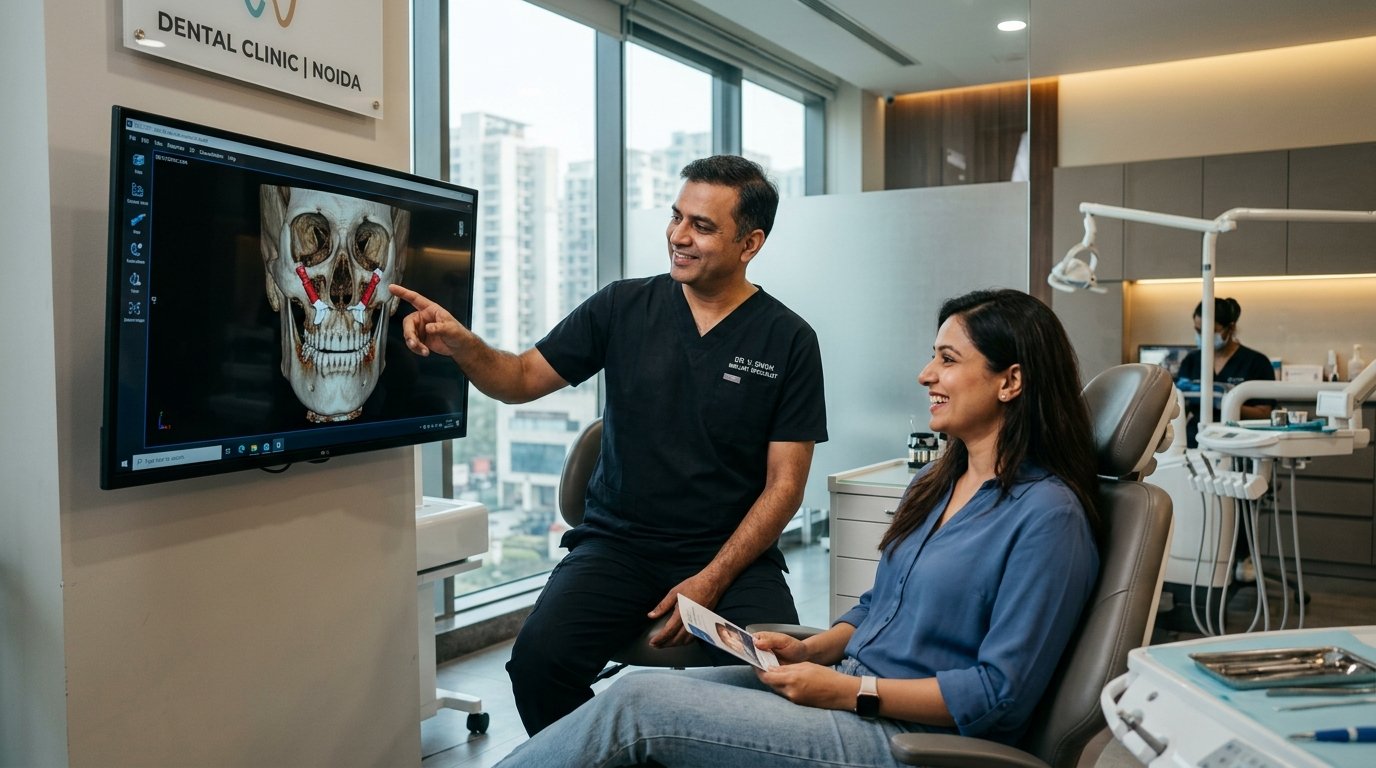
Bone Grafting is a safe, highly successful surgical procedure that replaces or augments missing bone volume in the upper or lower jaw. By introducing natural or synthetic bone mineral matrices into areas of bone deficit, the graft acts as a bio-scaffold. Over time, your body’s natural osteoblast cells migrate into the scaffold, building brand-new, living bone tissue.
Types of Bone Grafting Procedures at Comfort Smiles:
- Socket Preservation (Ridge Preservation): Performed immediately after tooth extraction to fill the empty socket and prevent bone collapse.
- Major Ridge Augmentation: Rebuilds height and width in severely resorbed jawbones prior to placing Single Tooth Implants or Multiple Implants.
- Sinus Lift (Sinus Augmentation): Elevates the sinus membrane in the upper back jaw to place bone graft material, creating adequate height for molar implants.
What Is Soft Tissue Grafting? Restoring Healthy, Aesthetic Gums
While bone grafting provides hard structural anchoring beneath the surface, Soft Tissue Grafting (gum grafting) focuses on restoring thick, resilient, and symmetrical gum contours around your new teeth.
When gum tissue recedes due to periodontitis or thin genetics, soft tissue grafting transfers a small piece of healthy tissue (or sterile donor matrix) to the site of recession. This creates a dense band of keratinized gum tissue that seals out food debris and shields the underlying implant bone foundation.
Key Aesthetic & Health Benefits of Soft Tissue Grafting:
- Hides Titanium Metal Threads: Prevents dark metal shadows from showing through thin or transparent gums.
- Establishes a Natural Gum Margin: Creates natural, pink, scalloped gum arches around implant crowns.
- Protects Against Peri-Implant Disease: Thick keratinized tissue acts as a durable, bacterial-resistant seal.
- Reduces Sensitivity: Covers exposed adjacent tooth roots to eliminate thermal sensitivity.
Bone Grafting vs. Soft Tissue Grafting: A Complete Comparison
| Feature | Bone Grafting | Soft Tissue Grafting |
|---|---|---|
| Target Tissue Type | Hard Alveolar Jawbone | Soft Keratinized Gingiva (Gum Tissue) |
| Primary Purpose | Provides mechanical anchorage & primary implant stability | Establishes bacterial seal & natural gum aesthetics |
| Common Indications | Bone loss after extraction, thin ridges, sinus expansion | Gum recession, thin biotype, exposed implant threads |
| Implant Compatibility | Essential for Single & All-on-4 Implants | Complements single crowns, full arch restorations, and bridges |
| Healing Duration | 3 to 6 months for complete osseous integration | 2 to 4 weeks for soft tissue vascularization |
The Step-by-Step Treatment Journey at Comfort Smiles Noida
At Comfort Smiles Noida, every regenerative implant plan begins with state-of-the-art diagnostics and gentle clinical care:
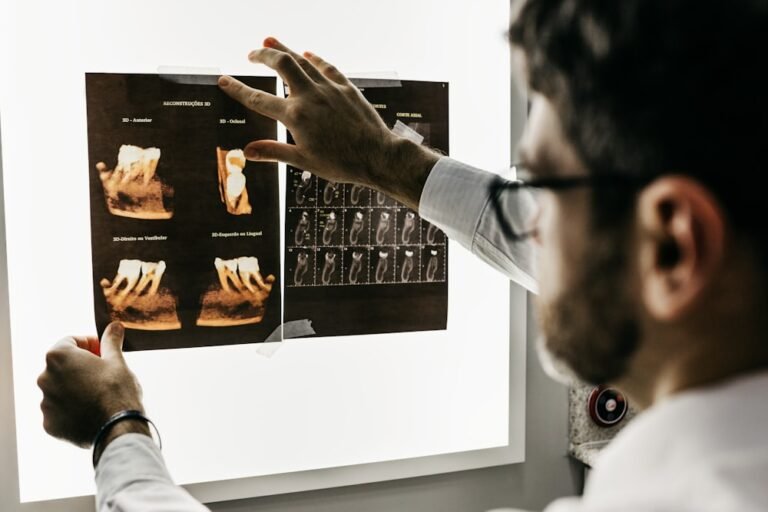
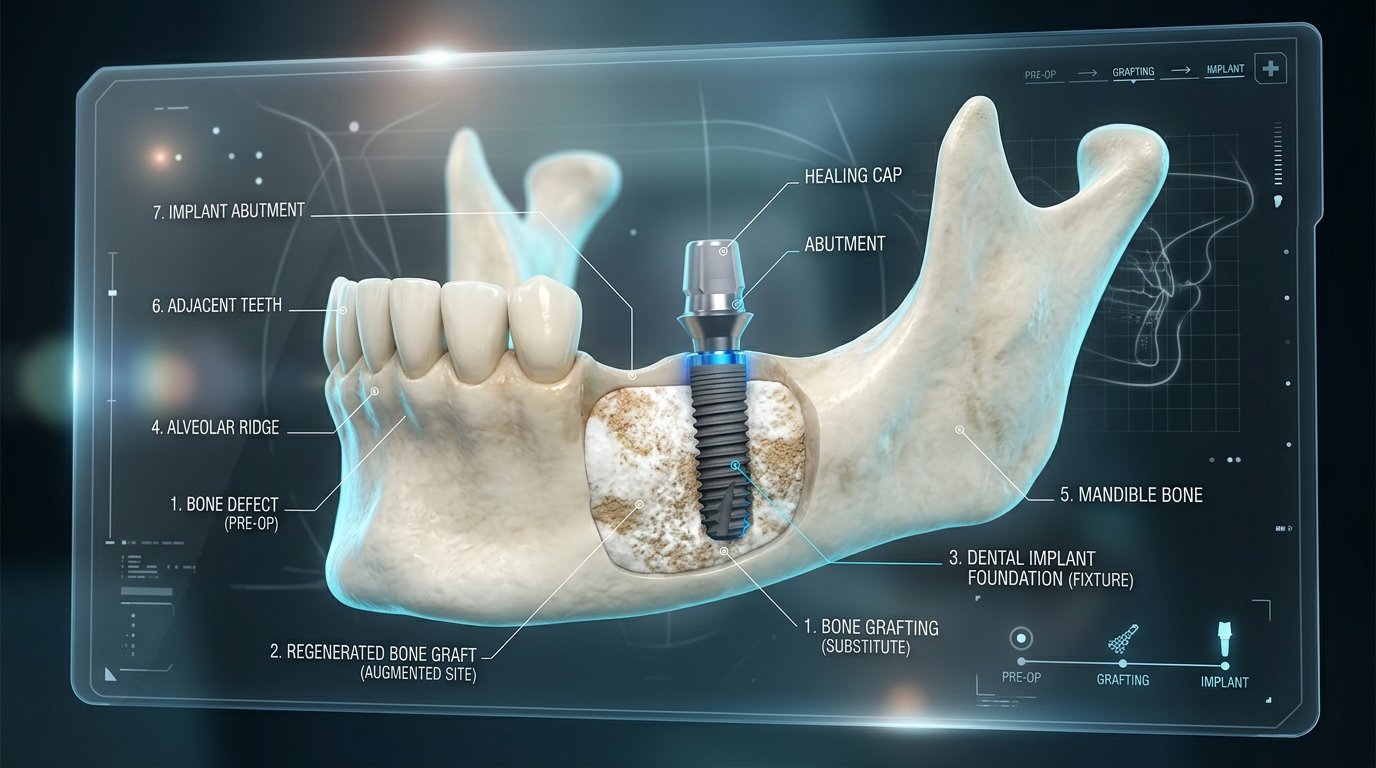
- 3D CBCT Imaging & Diagnostic Assessment: High-resolution 3D CT scans evaluate your precise jawbone density, bone height, and soft tissue biotype down to the millimeter.
- Customized Surgical Treatment Plan: Dr. Divya Dhingra designs a tailored grafting protocol—determining whether simultaneous grafting with implant placement or staged grafting is ideal for your case.
- Painless Guided Surgery: Procedures are performed under gentle local anesthesia or conscious sedation for complete comfort.
- Healing & Integration: Your bone and soft tissues naturally regenerate and mature into a rock-solid foundation.
- Final Implant Restoration: Custom ceramic crowns or bridges are secured onto your strong, perfectly framed dental implants.
Frequently Asked Questions (FAQs)
Q1. Is bone grafting for dental implants painful?
No. Bone grafting is performed under local anesthesia, so you feel zero pain during the procedure. Post-surgical swelling or mild discomfort is easily managed with prescribed anti-inflammatory medications.
Q2. Can bone grafting and implant placement be done at the same time?
Yes! In cases with mild to moderate bone deficiency, Dr. Divya Dhingra can place the bone graft and dental implant simultaneously during a single appointment.
Q3. How long do I need to wait after bone grafting before getting my implants?
For staged procedures with severe bone loss, healing typically takes 3 to 6 months to allow the graft matrix to fully transform into strong, living bone.
See Also & Related Implant Resources
Explore more advanced implant solutions and expert care at Comfort Smiles Noida:
- Bone Grafting Services at Comfort Smiles
- Soft Tissue & Gum Grafting Procedures
- Comprehensive Implant Dentistry in Noida
- Single Tooth Dental Implants
- Multiple Teeth Implants & Bridges
- All-on-4 Full Arch Dental Implants
- Consult Dr. Divya Dhingra – Lead Specialist
- Book Your Implant Consultation at Comfort Smiles